
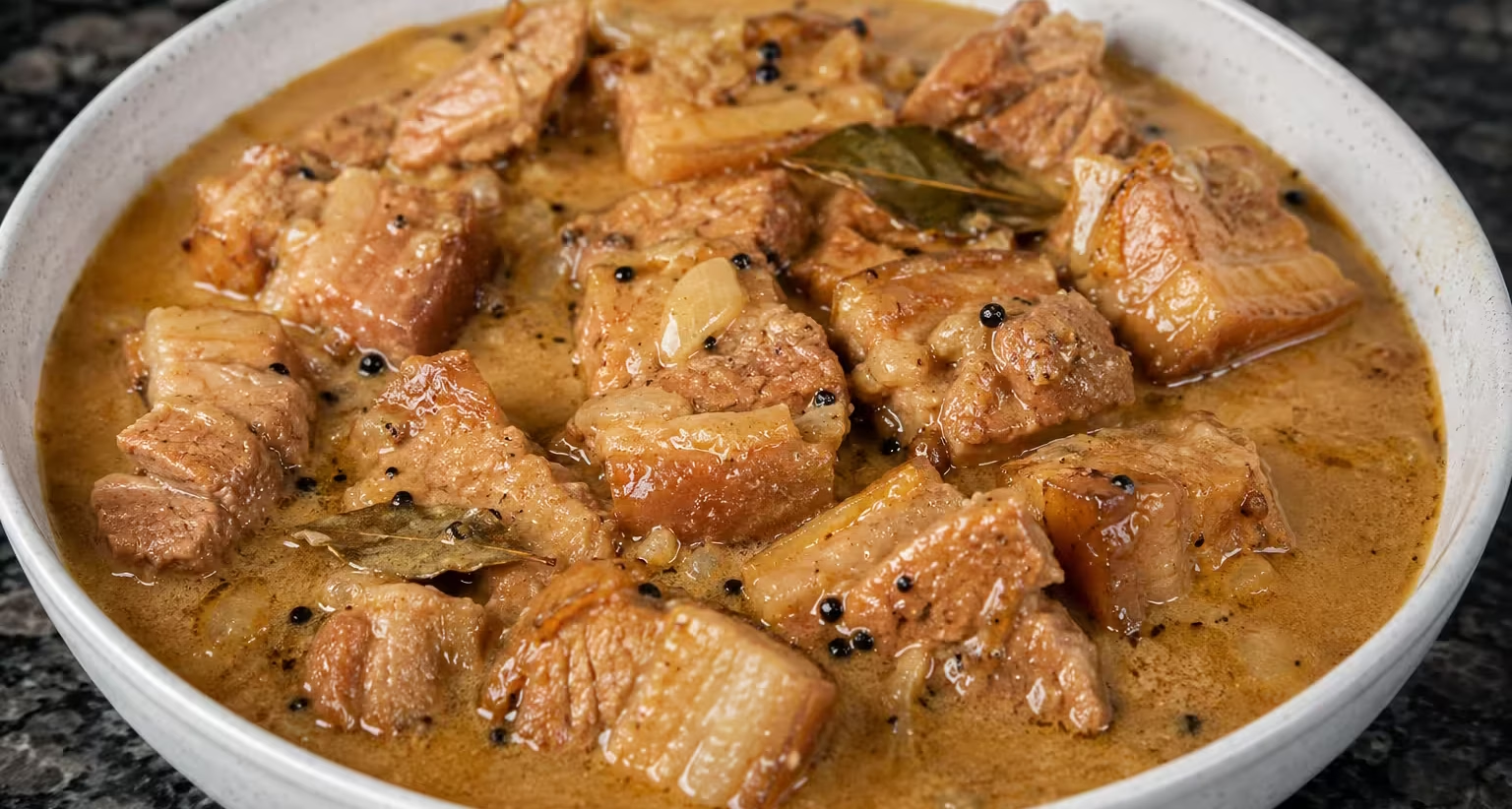
Adobo sa gata combines tender pork with coconut milk, vinegar, soy sauce, and garlic. This Filipino dish offers a creamy twist on classic adobo.
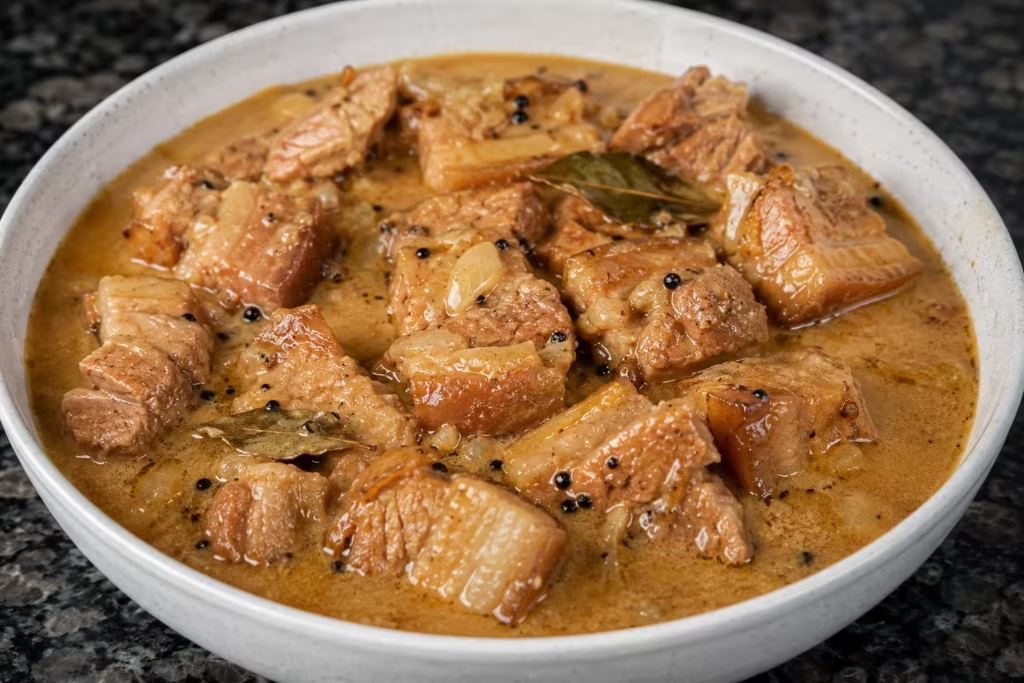
What Is Adobo sa Gata?
Adobo sa gata uses coconut milk to create a richer, smoother sauce. The coconut milk also balances the vinegar’s sharpness and the soy sauce’s saltiness.
This recipe uses pork belly, which stays tender during slow cooking. Pork shoulder also works well for this dish.
Ingredients
- 2 pounds pork belly, cut into 2-inch pieces
- 1 cup coconut milk
- 1/2 cup soy sauce
- 1 cup cane or white vinegar
- 1 cup water
- 1 head garlic, minced
- 2 dried bay leaves
- 1 teaspoon black pepper
- 1 tablespoon cooking oil
- 1 teaspoon salt, or to taste
- 1 small onion, sliced
- Steamed rice, for serving
How to Make Adobo sa Gata
1. Marinate the Pork
Combine pork, soy sauce, half the garlic, vinegar, and black pepper. Let the pork marinate for at least 30 minutes.
A longer marinade can deepen the flavor. Drain the pork before browning.
2. Brown the Pork
Heat oil in a heavy pot over medium heat. Add the pork and brown each side.
Add the remaining garlic and sliced onion. Cook until the aromatics become fragrant.
3. Simmer the Adobo
Pour the marinade into the pot with the water and bay leaves. Bring everything to a boil.
Lower the heat and cover the pot. Simmer for 40 to 60 minutes until the pork becomes tender.
Check the pot occasionally and add water if the sauce becomes too dry.
4. Add the Coconut Milk
Pour the coconut milk into the pot after the pork becomes tender. Stir gently to combine.
Keep the heat low and simmer for 15 to 20 minutes. Avoid a vigorous boil.
The sauce should become creamy and slightly thick. Taste and adjust the salt as needed.
5. Serve
Transfer the pork and sauce to a serving dish. Serve immediately with steamed rice.
Spoon extra coconut sauce over the rice for a richer serving.
Recipe Tips
Use full-fat coconut milk for a creamier sauce.
Keep the heat low after adding coconut milk. High heat can cause the sauce to separate.
You can prepare this dish ahead of time. The flavors can develop further after resting.