
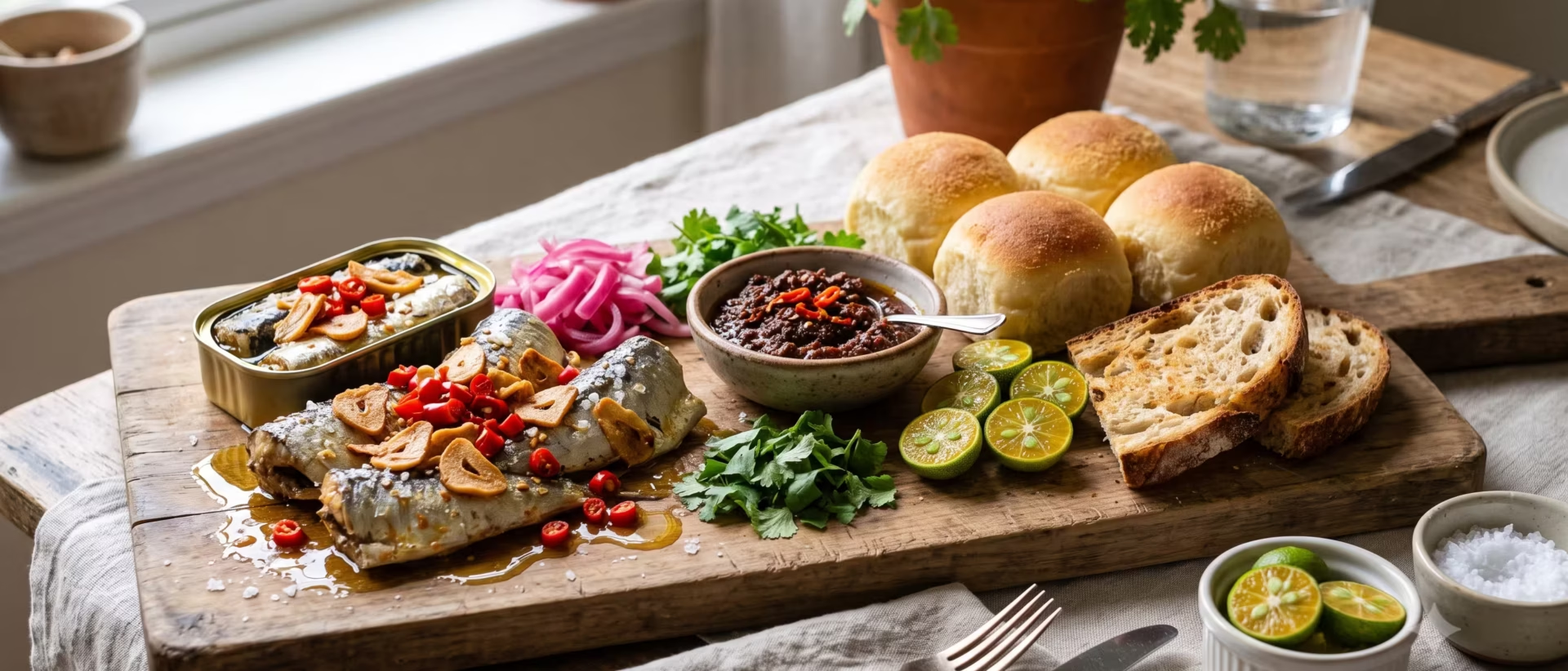
Tinned fish boards represent a major shift in modern dining habits. This trend transforms preserved seafood into gourmet appetizers. Consumers now seek high-quality “conservas” from Spain and Portugal. Social media platforms fuel the popularity of these colorful seafood platters. These boards often feature sardines, mackerel, or mussels. Chefs pair them with crackers, pickles, and fresh herbs.
The trend emphasizes convenience without sacrificing flavor or nutrition. People value the long shelf life of these premium products. This movement also highlights sustainable fishing practices worldwide. Small-scale canneries gain more recognition through this global interest. Modern diners enjoy the tactile experience of sharing these canned delicacies. Minimal preparation makes this trend perfect for home entertaining. Many restaurants now include curated tinned fish selections on their menus. This global phenomenon celebrates the art of preservation and simple ingredients.
The Filipino Connection
Filipinos have a deep cultural bond with canned seafood. Canned sardines remain a staple in many Filipino households. Families often eat them with rice for a quick meal. The global trend elevates these humble ingredients into something sophisticated. Local producers now focus on premium Spanish-style sardines in olive oil. Filipino cuisine often uses acidic notes like calamansi to balance rich flavors. This makes the local palate perfect for the tinned fish trend.
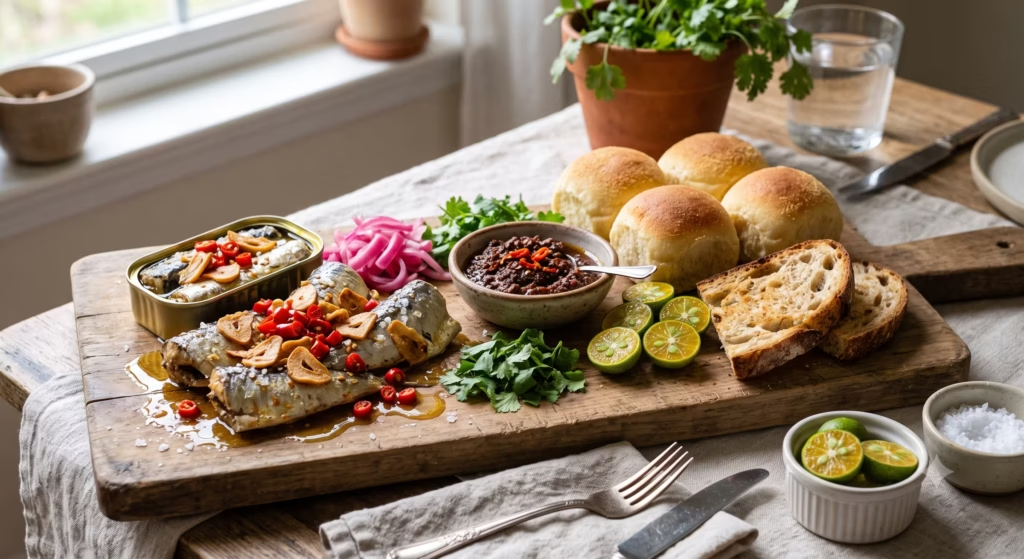
Traditional Filipino breakfasts often feature “ginisang sardinas” with eggs. This trend allows Filipinos to showcase their local vinegars and dipping sauces. Using local sea salt and aromatics enhances the preserved fish experience. This global movement validates the Filipino love for preserved and fermented flavors. It turns a pantry basic into a centerpiece for social gatherings.
Spicy Calamansi Sardine Board (Tinned Fish Board)
Ingredients
- Two cans of premium Spanish-style sardines in olive oil
- Six pieces of fresh calamansi, halved
- One tablespoon of spicy bagoong (shrimp paste)
- Three cloves of garlic, thinly sliced and fried
- Two fresh siling labuyo (bird’s eye chili), chopped
- Warm pandesal or toasted sourdough slices
- Pickled red onions and fresh cilantro for garnish
- A sprinkle of flaky sea salt
Process for Cooking
- Arrange the canned sardines on a large wooden platter or ceramic board.
- Drizzle the remaining oil from the can over the fish for moisture.
- Squeeze three calamansi halves directly onto the sardines for acidity.
- Place a small bowl of spicy bagoong in the center of the board.
- Scatter the crispy fried garlic and chopped chilies over the fish.
- Add the pickled onions and cilantro as colorful garnishes around the board.
- Place the halved calamansi and warm pandesal on the sides.
- Sprinkle flaky sea salt over the sardines before serving immediately.
Conclusion
The popularity of Tinned Fish Boards proves that simple pantry ingredients can be transformed into elegant, shareable dining experiences. Whether you’re hosting friends, preparing a quick appetizer, or exploring new ways to enjoy canned seafood, these boards offer endless opportunities for creativity. By combining premium preserved fish with fresh herbs, citrus, crusty bread, and local Filipino flavors, you can create an unforgettable spread that is both affordable and sophisticated.
As the Tinned Fish Boards trend continues to grow around the world, Filipino home cooks are perfectly positioned to make it their own. From premium Spanish-style sardines to classic local canned seafood, adding ingredients like calamansi, bagoong, pickled vegetables, and warm pandesal creates a unique fusion of global inspiration and Filipino tradition. The result is a beautiful board that celebrates convenience, sustainability, and the rich flavors that bring people together around the table.