
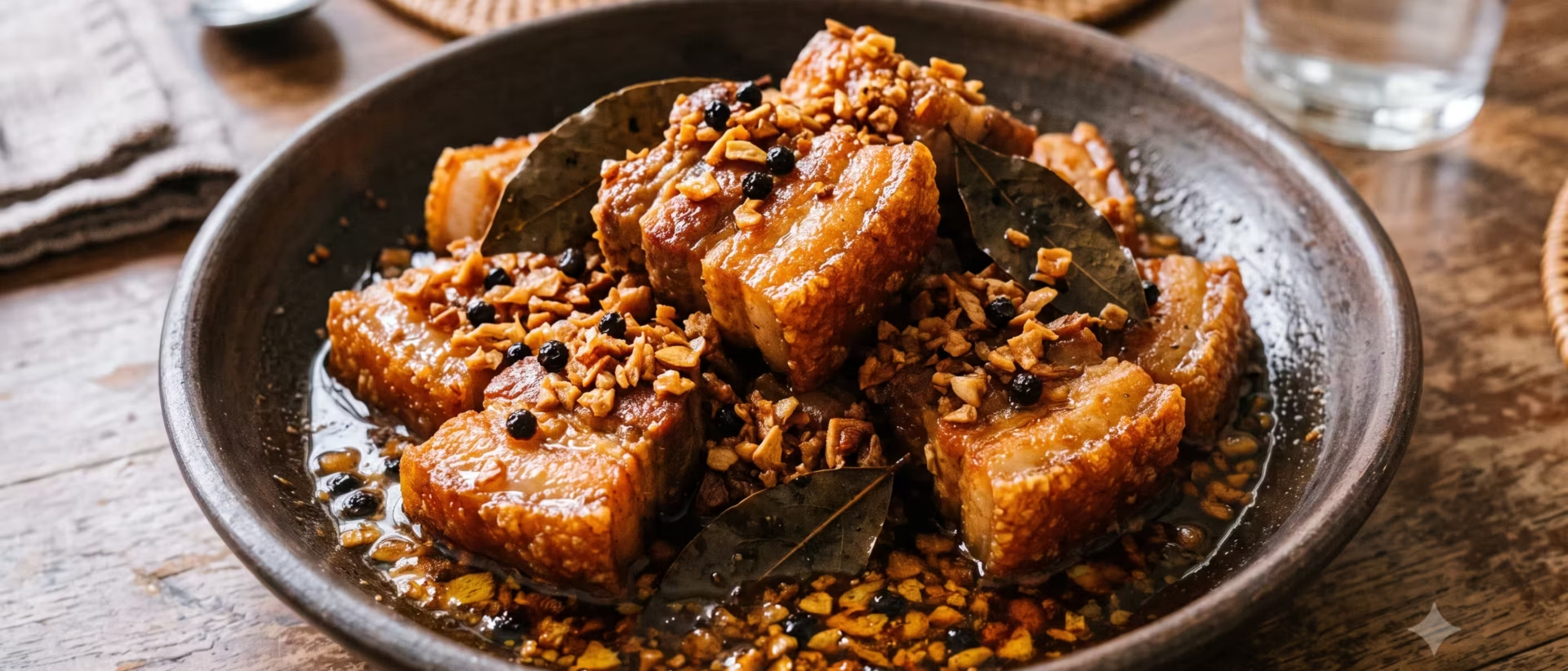
Pork Adobo sa Asin presents a simple Filipino dish with strong garlic and vinegar flavors. This recipe uses salt instead of soy sauce. The dish highlights the pork’s natural taste and aroma. Many home cooks prepare this recipe because the ingredients remain affordable and accessible.
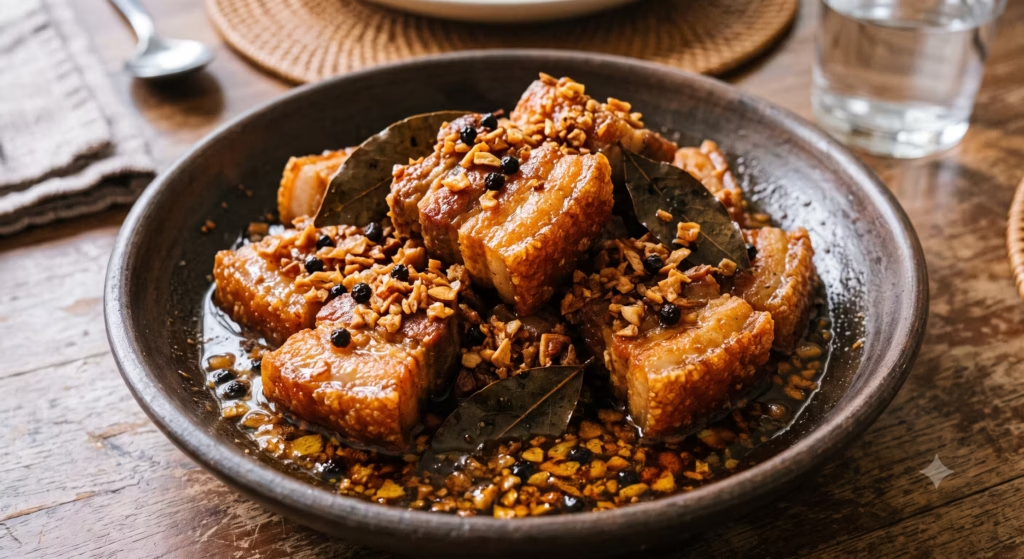
Overview of the Dish
Pork adobo sa asin uses a direct cooking method with balanced seasoning and slow simmering. Garlic builds aroma and depth during cooking. Vinegar adds brightness and balances the pork’s richness. Salt seasons the meat without adding sweetness or dark color. Bay leaves and peppercorns complete the flavor profile.
Pork Adobo sa Asin Ingredients
- 1 kilogram pork belly, cut into serving pieces
- 6 garlic cloves, crushed
- 1 bulb of garlic, minced (I personally love lots of garlic in my Pork Adobo sa Asin)
- 1 1/2 teaspoons salt
- 1 teaspoon whole black peppercorns
- 3 dried bay leaves
- 1/2 cup white vinegar
- 3/4 cup water
Cooking Instructions
- Preheat a wok over medium heat. Test the heat by sprinkling a few drops of water. When the water dances across the surface, the wok is ready.
- Add the pork pieces to the hot wok. Cook for several minutes until the pork begins releasing its natural juices.
- Season with salt, whole black peppercorns, and bay leaves. Stir well to coat the pork evenly.
- Carefully pour in the vinegar and water. Do not stir for the first 2 minutes to allow the vinegar to cook properly.
- Cover the wok and reduce the heat to low. Simmer for about 40 minutes.
- After the initial 2 minutes, stir occasionally to prevent the pork from sticking.
- Remove the lid and continue simmering until most of the liquid has evaporated and the pork renders its natural oil.
- Once the pork turns lightly browned, add the minced garlic. Stir continuously and cook until the garlic becomes golden brown and fragrant.
- Transfer to a serving plate and serve immediately with hot steamed rice.
Pork Adobo sa Asin Serving Notes
This recipe creates savory and tangy flavors with clear garlic notes. The reduced sauce coats the pork evenly during serving. Many cooks choose pork belly because it stays tender during simmering. The dish stores well inside refrigeration for later meals. Reheat leftovers slowly before serving another portion.
Traditional adobo recipes vary across different Philippine regions and households. Some versions include soy sauce and sugar. Adobo sa asin keeps the ingredient list simple. The cooking process also remains approachable for beginners. The recipe focuses on pork, vinegar, garlic, and seasoning. The final result delivers a rich and balanced dish for everyday meals.